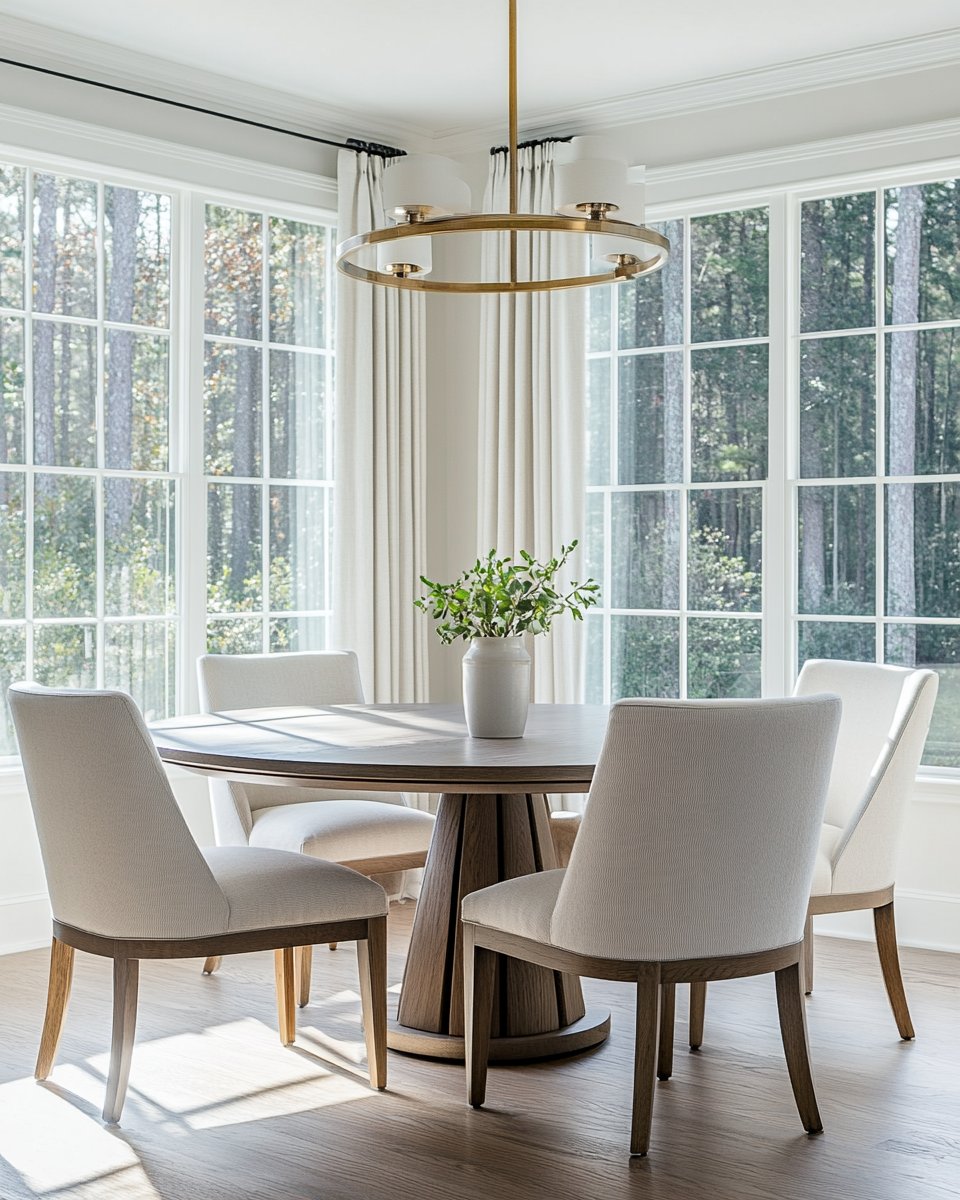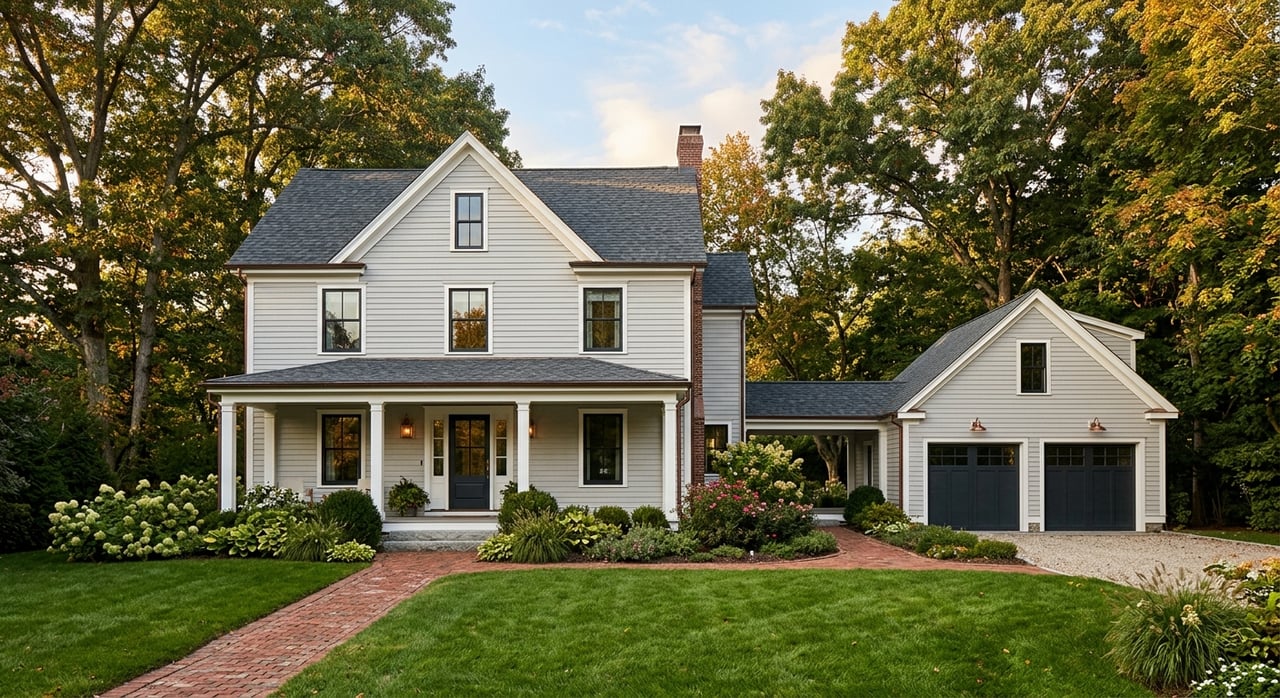
Choosing between an older home and a newer one in Willoughby can feel harder than it should. You might love the charm of a house with history, but you may also want a layout and maintenance schedule that feels easier to manage. The good news is that Willoughby offers both, and each option comes with clear benefits and tradeoffs. If you are trying to decide what fits your budget, lifestyle, and comfort level, this guide will help you sort through it. Let’s dive in.
Willoughby Housing at a Glance
Willoughby gives you a mix of established homes and newer construction, which is part of what makes the market appealing to different kinds of buyers. The city has about 24,046 residents, a median age of 45.6, and a median owner-occupied home value of $216,900. Recent market snapshots place sale and list prices in the mid-$200,000s, with median prices around $268,000 to $275,000.
Homes in Willoughby have also been selling in a fairly active market. Depending on the source and month, homes have generally taken about 36 to 60 days to sell. Redfin has described the market as very competitive, which means it helps to know what type of home you want before you start touring.
What Older Homes in Willoughby Offer
Older homes in Willoughby often stand out because they do not all look the same. In and around historic areas, you will find an eclectic mix of architecture, including styles tied to the city’s long history. Historic Downtown Willoughby is a National Register historic district centered on Erie, River, and Euclid, with periods of significance from 1850 through 1949.
For many buyers, the appeal of an older home starts with character. You may find mature streetscapes, less uniform housing, and details that feel harder to replicate in new construction. In some older Willoughby areas, homes average about 1,200 to 1,300 square feet, and detached garages are common, while some homes do not have garages at all.
Character Comes With Variation
Older homes can offer warmth and personality, but they can also vary more from one property to the next. Room sizes, storage, garage setup, and floor plan flow may be less predictable than in a newer community. That can be a plus if you want something unique, but it may require flexibility.
You may also notice that older homes often have more separated living spaces instead of one large open area. Some buyers love that layout because it creates distinct rooms for living, dining, and work. Others prefer a more open feel for everyday living and entertaining.
Maintenance May Be Higher
One of the biggest differences with older homes is the chance that major systems may need updates sooner. Roofs, windows, HVAC systems, insulation, and air sealing are common areas to review carefully. The U.S. Department of Energy notes that many older homes have less insulation than homes built today.
A home energy assessment can be a smart first step if you are considering an older property. It can help you understand where the home may be losing energy and what improvements could matter most. That kind of information can make your budget planning much clearer before you commit.
Lead Paint and Renovation Questions Matter
If a home was built before 1978, it is more likely to contain lead-based paint. That does not automatically make it a bad choice, but it does mean you should ask thoughtful questions about past updates and renovation history. If work has been done over time, it helps to understand how those projects were handled.
For sellers, this also matters during prep. If you own an older home, it is wise to gather records related to renovations, system updates, and maintenance before listing. That can help reduce surprises and keep the process moving.
What Newer Homes in Willoughby Offer
Newer homes in and around Willoughby often attract buyers who want convenience and fewer immediate projects. Current new-construction communities in the area show that there is active inventory, with options starting in the high $300,000s and moving up from there. That puts many new builds above the city’s overall median pricing, but buyers may see value in what they get in return.
Shepherd’s Glen, for example, has advertised townhomes around $359,000 to $369,000 with 3 bedrooms, 3 baths, about 2,200 square feet, and options like first-floor primary suites. Chagrin Mill Farm has been marketed from the high $300,000s, with at least one current model advertised around $500,000. These examples show how new construction in Willoughby tends to fit a different price tier than many older resale homes.
Layouts Often Feel More Modern
Newer homes usually focus on how people live today. Open living areas, attached garages, first-floor primary suites, and low-maintenance exteriors are common features in the current Willoughby new-build market. For some buyers, that daily convenience is just as important as square footage.
This can be especially helpful if you want a home that feels move-in ready without a long list of early upgrades. If you are relocating, downsizing, or balancing a busy work schedule, a newer home may feel simpler to manage from day one.
Efficiency Starts With a Code Advantage
Newer homes also tend to start with better energy performance. Ohio’s current residential energy code is based on the 2018 IECC with amendments, effective July 1, 2019. That means newer homes are generally being built to a more current efficiency standard than many older properties.
This does not guarantee the same utility costs from one home to another, but it does give newer construction a baseline advantage. Better insulation, tighter building practices, and newer systems can lead to more predictable performance. For budget-minded buyers, that can be a real factor.
Comparing Older and Newer Homes in Willoughby
The real choice is usually not about age alone. It is about the kind of ownership experience you want over the next few years. In Willoughby, the tradeoff often comes down to character and lower entry price versus convenience and lower near-term maintenance.
| Factor | Older Homes | Newer Homes |
|---|---|---|
| Typical appeal | Character, established streets, unique details | Modern layouts, convenience, lower upkeep |
| Common price range examples | Can be below new construction, with examples around $194,000 to $250,000 | Often starts in the high $300,000s |
| Layout style | More variation, often separate rooms | More open living areas, first-floor primary options |
| Maintenance outlook | May need updates to systems, insulation, windows, or roof | Usually fewer immediate repair needs |
| Energy performance | May need improvements after purchase | Built to newer code standards |
| Exterior changes | May involve historic district rules in some areas | Usually more straightforward, depending on community rules |
Local Rules That Can Affect Your Decision
In Willoughby, local requirements can matter, especially with older homes. The city performs point-of-sale inspections, and smoke and carbon monoxide testing must be arranged with the Fire Department. Existing residences need smoke and CO alarms at point of sale or when major remodeling or alterations occur.
That does not mean an older home is a problem. It just means you should go in with a clear understanding of the city process and possible repair or compliance items. Knowing this early can help you avoid last-minute stress before closing.
Historic District Review Can Limit Exterior Changes
If a home is in the Willoughby Historic Preservation District, exterior work may require Design Review Board approval. The city says the board must approve construction, alteration, demolition, and signage in that district. If preserving original character appeals to you, that may feel like a benefit.
If you already know you want to make major exterior changes, though, it is important to confirm what rules apply. This is one of those details that can have a big effect on your timeline and plans. It is better to know before you buy than after.
Sidewalk and Apron Responsibility
Willoughby also places sidewalk and apron maintenance responsibility on the property owner when those items are in the right-of-way. This is a detail buyers sometimes overlook when comparing homes. It may matter more with older properties where exterior hardscape has had more time to age.
For sellers, this is also worth reviewing before listing. If there are visible issues, handling them early can help the transaction move more smoothly.
How to Decide What Fits You Best
The best home for you depends on what you value most in daily life and what level of maintenance you can realistically handle. If you love architectural detail, established surroundings, and the idea of putting your own stamp on a property, an older home may be the better fit. If you want simpler upkeep, a more open floor plan, and fewer early projects, a newer home may make more sense.
A few questions can help you narrow the decision:
- How much maintenance are you comfortable taking on in the first 1 to 3 years?
- Would you rather have character and variation, or a more predictable layout and condition?
- Is a lower purchase price more important than lower near-term upkeep?
- Are you open to city inspection items and possible updates before or after closing?
- If the home is in a historic district, are you comfortable with approval requirements for exterior changes?
- Would a home energy assessment help you estimate future upgrade costs?
What This Means for Buyers and Sellers
If you are buying in Willoughby, it helps to compare homes based on total ownership experience, not just list price. A lower-priced older home may still be the right choice if you are prepared for updates and want more personality. A higher-priced newer home may still be worth it if convenience, energy performance, and lower maintenance are high priorities.
If you are selling, the age of your home helps shape your strategy. Owners of older homes should pay close attention to roof age, HVAC age, insulation, renovation records, and any city or historic district considerations that could affect timing. Clear prep and realistic pricing can make a big difference in a market where buyers are comparing lifestyle as much as square footage.
Every Willoughby buyer and seller has a different comfort level with repairs, regulations, and long-term costs. That is why the smartest move is usually not chasing a perfect category, but matching the home to your goals. If you want help weighing older versus newer homes in Willoughby, Beth Kitchen offers clear, responsive guidance to help you make a confident decision.
FAQs
What is the main difference between older and newer homes in Willoughby, Ohio?
- Older homes in Willoughby often offer more character and a lower entry price, while newer homes tend to offer more modern layouts, better efficiency, and lower near-term maintenance.
Are older homes in Willoughby usually less expensive than new construction?
- In many cases, yes. Research examples show older Willoughby homes around roughly $194,000 to $250,000, while current new construction often starts in the high $300,000s.
Do older homes in Willoughby come with more maintenance?
- They often can. Roofs, windows, HVAC systems, insulation, and air sealing are common areas that may need attention in older homes.
Do Willoughby home sales require a point-of-sale inspection?
- Yes. The city performs point-of-sale inspections, and smoke and carbon monoxide testing must be arranged with the Fire Department.
What should buyers know about Willoughby historic district homes?
- If a home is in the Historic Preservation District, exterior changes may need approval from the Design Review Board before work begins.
Are newer homes in Willoughby more energy efficient?
- They often start with an advantage because newer construction follows Ohio’s current residential energy code, which is based on the 2018 IECC with amendments.
Should you get a home energy assessment for an older Willoughby home?
- It can be a smart step. The Department of Energy recommends starting with a home energy assessment before making efficiency upgrades, which can help you estimate future costs more clearly.