If you want more green space without giving up day-to-day convenience, Willoughby Hills deserves a closer look. Many buyers are trying to solve the same puzzle: find a home that feels calm and tucked away, but still keeps work, errands, and regional travel manageable. In Willoughby Hills, that balance is a real part of the city’s identity, not just a marketing line. Let’s dive in.
Why Willoughby Hills Feels Different
Willoughby Hills has about 10,000 residents spread across 10.92 square miles, which gives it a low-density suburban feel. The city describes itself as preserving a rural atmosphere while still functioning as a suburban community. For you, that often means more space, more trees, and a quieter overall setting than you might expect in a connected Northeast Ohio location.
Nature is not tucked into one corner here. It shapes how the city looks and feels. The Chagrin River and its scenic valley on the east side of town are a central part of the local landscape, with floodplain areas that support vegetation and wildlife.
That natural setting also shows up in long-range planning. The city’s 2022 master plan draft focuses on rural landscapes, wooded steep slopes, transportation, historic development, and open space and natural resources. In simple terms, the community is planning around its natural features rather than building over them.
Nature Access in Daily Life
If outdoor access matters to you, Willoughby Hills offers more than occasional park visits. The city says it has its own parks along with three separate parkland agencies within the community. That gives you a mix of neighborhood-scale options and larger regional destinations.
City parks include Campbell Park, Roemisch Field, Garfield Park, and Veterans Memorial Park. These spaces help support everyday recreation close to home. They add convenience for quick outings, walks, and casual time outside.
For bigger outdoor experiences, North Chagrin Reservation is one of the area’s standout assets. Cleveland Metroparks describes it as a mix of outdoor recreation areas and wildlife sanctuaries, with woodlands, wetlands, a nature center, Sanctuary Marsh, Sunset Pond, Squire’s Castle, and Manakiki Golf Course.
Pleasant Valley Park adds another layer to the lifestyle. This Lake Metroparks property offers 124 acres with hiking, boating, fishing, canoe and kayak access, trails, and public access to 2,000 feet of fishable stream on the Chagrin River. If you enjoy active outdoor time, that kind of access can be a major advantage.
The city also identifies Hach-Otis Sanctuary as an 81-acre forested tract overlooking the Chagrin State Scenic River valley. Taken together, these places help explain why Willoughby Hills can feel more immersed in nature than a typical suburb.
What the Commute Looks Like
A peaceful setting only works for most buyers if the commute still feels realistic. In Willoughby Hills, the numbers suggest that it does. ACS data show a mean travel time to work of 21 minutes for residents.
That figure will not match every household’s exact routine, but it is a helpful snapshot. It supports the idea that you can live in a greener, lower-density setting without automatically taking on a long daily drive. For many buyers, that is the sweet spot.
Driving plays a major role in local mobility. City communications reference Ohio Department of Transportation work along Interstate 90 between Bishop Road and the Interstate 271 interchange, and the city also refers to interstate enforcement. That confirms freeway access is a meaningful part of the transportation picture.
Transit and Regional Connections
Willoughby Hills is commuter-oriented, but it is not isolated. Laketran serves Lake County with local routes, Dial-a-Ride, and Park-n-Ride service connecting Lake County with Downtown Cleveland and University Circle. That gives you options beyond driving for some trips.
Laketran’s Route 6 specifically serves Shops of Willoughby Hills, Shoregate, Lakeland Community College, and Great Lakes Mall. For residents who want support for shopping, school, or selected regional trips, that can be a useful resource. In practice, transit works more as a supplement than a full replacement for a car-based lifestyle.
That distinction matters when you are choosing where to live. Willoughby Hills offers strong road access, while transit adds flexibility around the edges. If your goal is to balance convenience with a more natural setting, that can be a very workable combination.
What the Housing Setting Feels Like
The housing profile in Willoughby Hills reflects the city’s overall character. The 2022 master plan draft says the city should maintain its existing low-density residential character, preserve open space and natural features, and keep a variety of housing options available. An earlier land-use plan also referenced standard single-family subdivisions with one-acre lots.
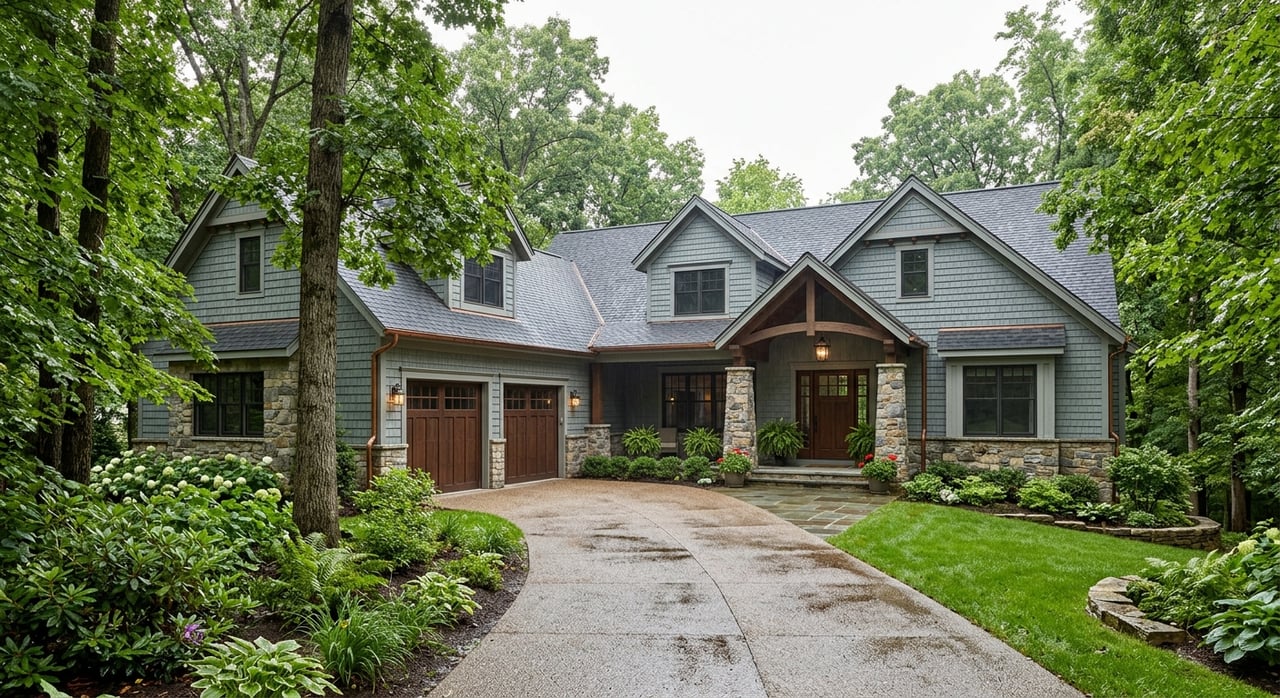
That does not read like a dense, fast-built environment. Instead, it points to a mature suburban community where homes often sit within the landscape rather than dominate it. If you value wooded surroundings, established streetscapes, and a sense of breathing room, that is a meaningful part of the appeal.
Census figures list 5,134 housing units in the city. ACS data show a median owner-occupied home value of $328,600. Those figures support the picture of an established housing stock in a community shaped by long-term residential use rather than high-density redevelopment.
Who Willoughby Hills May Suit Best
Every buyer weighs location differently, but Willoughby Hills tends to fit a few common priorities especially well. If you are comparing communities in Lake County and nearby areas, this is where the city often stands out.
Buyers who want nature nearby
If you want parks, river access, trails, wooded areas, and scenic surroundings to be part of your regular routine, Willoughby Hills offers that in a meaningful way. This is not just about a pretty drive through town. It is about having everyday access to natural spaces that shape the rhythm of life.
Buyers who still need a practical commute
Some communities offer quiet and space but make regional travel harder. Willoughby Hills makes a stronger case for balance. With a mean commute time of 21 minutes and access tied closely to I-90 and I-271, it can work well for buyers who need to stay connected to the broader Northeast Ohio job market.
Buyers who prefer lower-density neighborhoods
If you are drawn to mature residential areas with open space and a less crowded feel, Willoughby Hills may align with that goal. The city’s planning direction clearly supports preserving its low-density character. That can be reassuring if you want a setting that stays consistent over time.
Questions to Ask Before You Move
Before you buy in a community like Willoughby Hills, it helps to think beyond square footage and listing photos. A location that looks ideal on paper still needs to fit your actual routine. A few practical questions can help you narrow that down.
- How often do you want easy access to trails, river spaces, or larger park systems?
- How important is freeway access for your workweek?
- Would transit options be a bonus for your household, even if you still plan to drive most days?
- Do you prefer a lower-density setting with mature landscaping and established homes?
- Are you looking for a community where open space is part of the long-term planning vision?
These questions can help you separate a place that is simply attractive from one that truly fits your lifestyle. That is especially important if you are relocating or moving up and trying to balance several priorities at once.
The Bottom Line on Willoughby Hills
Willoughby Hills stands out because it offers a genuine mix of scenic surroundings and day-to-day practicality. Its natural assets are substantial, from the Chagrin River valley to local parks, North Chagrin Reservation, Pleasant Valley Park, and Hach-Otis Sanctuary. At the same time, the city remains connected through regional roads, freeway access, and Laketran service.
For buyers who want a home environment that feels calmer, greener, and less crowded without stepping too far away from work, shopping, and regional destinations, Willoughby Hills is worth serious consideration. It is a place where the balance between nature and commute feels grounded in the community itself.
If you are thinking about buying or selling in Willoughby Hills or nearby Lake County communities, working with a local agent who communicates clearly and helps you weigh the practical details can make the process a lot less stressful. Reach out to Beth Kitchen for honest guidance and hands-on support from start to finish.
FAQs
Is Willoughby Hills a good fit for buyers who want more outdoor access?
- Yes. Willoughby Hills includes city parks and access to larger outdoor destinations such as North Chagrin Reservation, Pleasant Valley Park, and Hach-Otis Sanctuary.
What is the average commute like for Willoughby Hills residents?
- ACS data show a mean travel time to work of 21 minutes, which suggests a practical commute for many households.
Does Willoughby Hills have public transportation options?
- Yes. Laketran serves Lake County with local routes, Dial-a-Ride, and Park-n-Ride service, and Route 6 specifically serves several nearby shopping and education destinations.
What kind of housing setting does Willoughby Hills offer?
- The city is best understood as a low-density, established suburban community with open space, wooded areas, and homes that fit into the natural landscape.
Why do buyers compare Willoughby Hills with other Lake County communities?
- Buyers often look at Willoughby Hills because it offers a distinct mix of natural scenery, lower-density residential character, and regional commuting access.